Free shipping on all orders over $99 within CONUS! Enjoy up to 10% off your first purchase with code: WELCOME10 Update: Order processing time is now 1–2 business days. Thanks for shopping!
- Home
- Commercial Grinders
- Mahlkonig E65S GbW Commercial Espresso Grinder
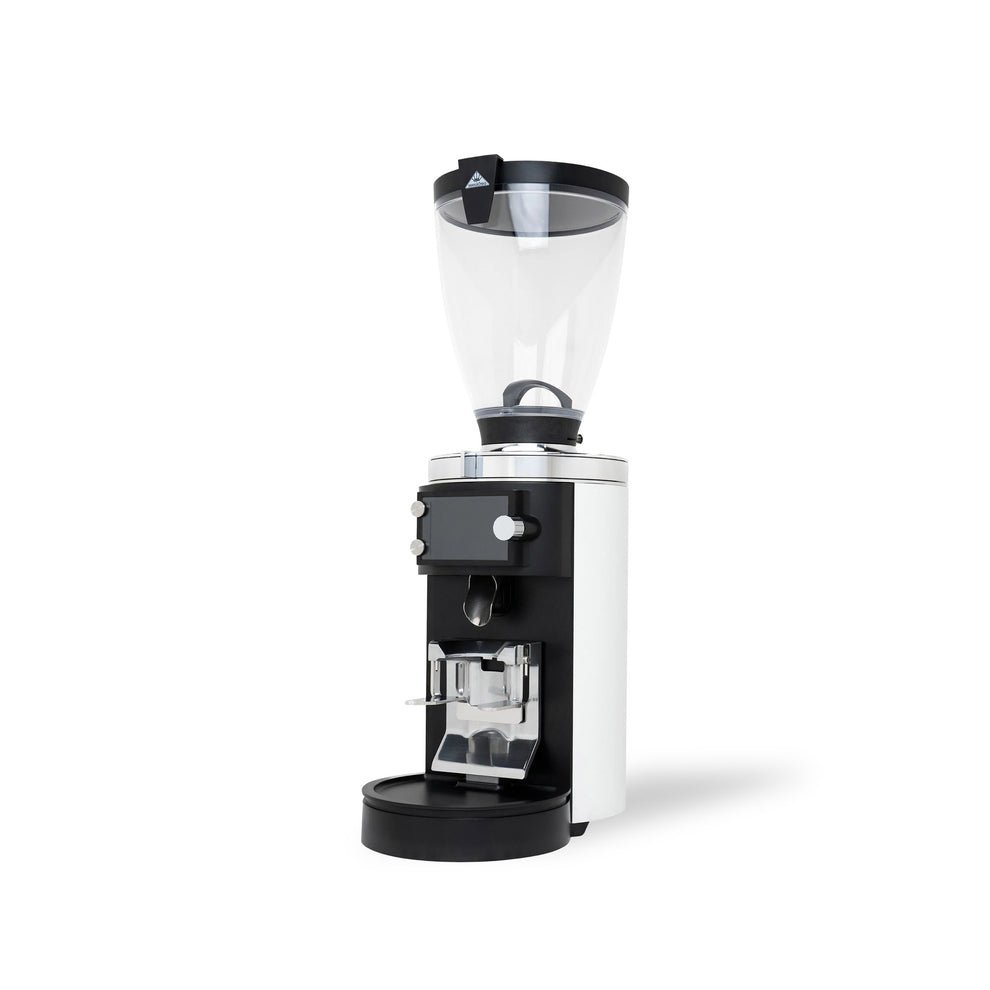
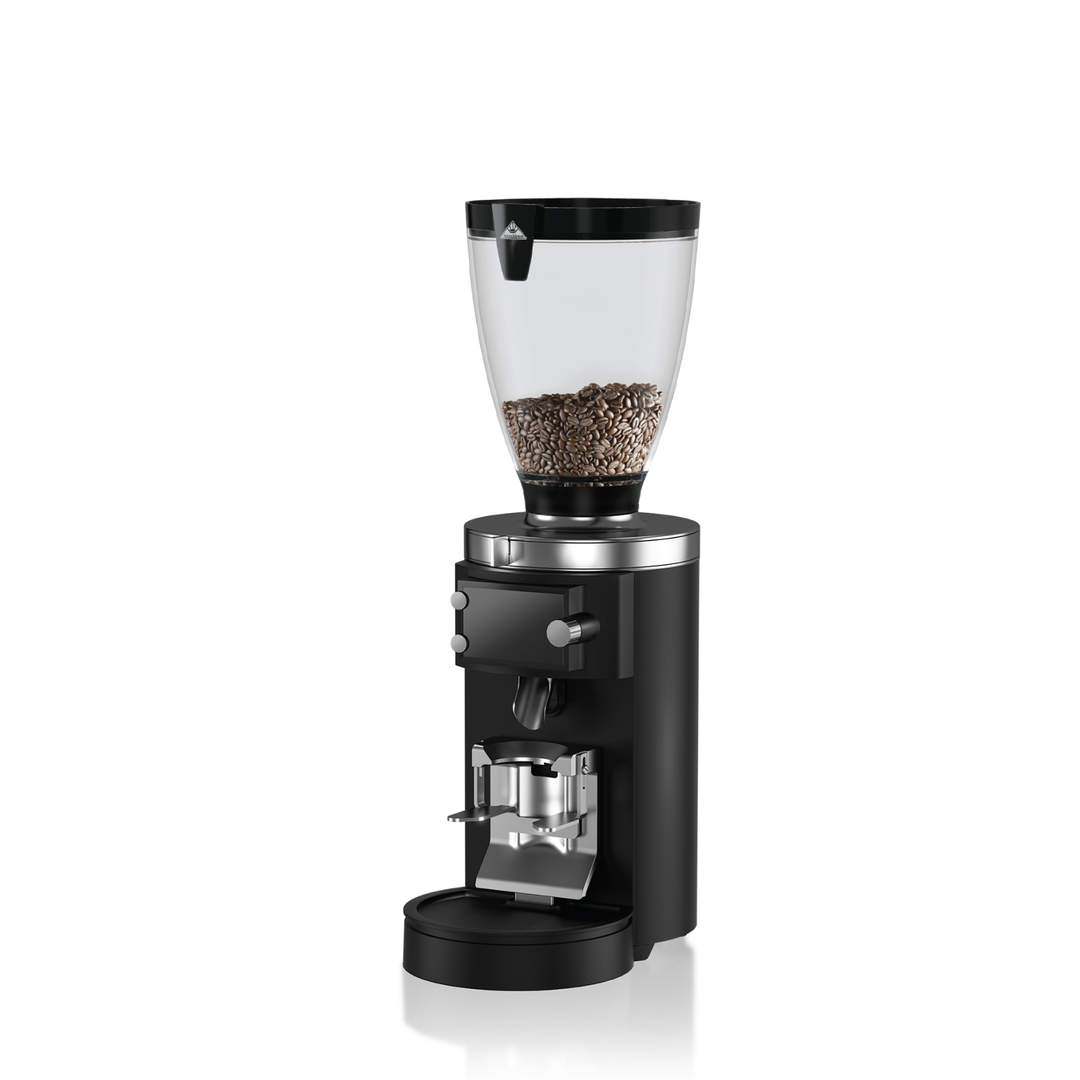
Mahlkonig E65S GbW Commercial Espresso Grinder
0 review
★★★★★ Rated 5 out of 5
$2,750.00
The Mahlkonig E65S GbW commercial espresso grinder replaces timed dosing with real-time weight measurement. Its grind-by-weight system delivers doses within 0.1 grams using a precision load cell. The 65mm special steel flat burrs produce uniform grind size for balanced extraction. A powerful motor and 1200g hopper keep up during busy service hours. Programmable recipes and an intuitive touchscreen make it ideal for multi-barista cafes and professional home setups prioritizing accuracy and workflow.
Complimentary Shipping on Orders Exceeding $100 within the 48 Contiguous States
1-Year Warranty for Manufacturer Defects and 2-Year Labor and Parts Warranty!!!

Mahlkonig E65S GbW: Grind-by-Weight Espresso Grinder for Cafes
The Mahlkonig E65S GbW is a commercial espresso grinder that replaces timed dosing with real-time weight measurement. At $2,750, it commands a roughly $350 premium over the base E65S model, sitting between the timed model and the E80S GbW at $3,500.
The GbW system uses a high-precision load cell to measure grounds as they fall, stopping the motor when the target weight is reached. This eliminates the drift that plagues timed grinders, burr wear, humidity changes, and bean density shifts no longer affect dose accuracy. The result is consistency across multiple baristas, multiple recipes, and multiple shifts.
This is not a single-dose grinder. The 1200g hopper and weight-based workflow assume bulk grinding for service. The 65mm special steel flat burrs, stepless adjustment, and portafilter detection round out a package built for busy cafes that prioritize accuracy over raw speed.
An 18g dose takes roughly 4.5-5 seconds, fast enough for most service environments, though not as fast as the E80S GbW’s 6-7g/s. The trade-off is precision: weight dosing to within approximately 0.1-0.2g variance, versus timed dosing that can drift 0.5-1g over a service day.
What Is the Mahlkonig E65S GbW
The E65S GbW is Mahlkonig’s mid-tier commercial espresso grinder with integrated grind-by-weight technology. Manufactured in Germany, it targets specialty coffee shops, multi-barista cafes, and serious home setups where dose consistency directly affects extraction quality and customer satisfaction.
It has earned recognition for solving a genuine workflow problem: timed dosing variance. Baristas no longer need to purge and recalibrate between grind changes. The load cell handles measurement automatically, reducing waste and improving shot-to-shot repeatability.
The grinder uses 65mm special steel flat burrs, the same burr set as the base E65S, with stepless micrometric adjustment and patented Disc Distance Detection (DDD). DDD displays the exact burr spacing in microns, removing guesswork from grind calibration. The digital interface stores multiple recipes, each with independent weight targets and grind settings.
Key Features
Grind-by-Weight Technology
High-precision load cell measures grounds in real time during grinding. Motor stops automatically when target weight is reached. Eliminates timed dosing drift from burr wear, bean density, and humidity. Variance typically 0.1-0.2g per dose.
65mm Special Steel Flat Burrs
Precision-machined for uniform particle distribution. Special steel alloy balances sharpness retention with durability. Expected life 1,500-1,700 lbs of coffee depending on roast level. Same burr set as base E65S.
Disc Distance Detection (DDD)
Patented system displays exact burr spacing in microns on the digital interface. Removes visual estimation from grind adjustment. Allows precise, repeatable calibration across shifts and locations.
Portafilter Detection
Sensor recognizes when a portafilter is inserted and automatically starts grinding. Selects the appropriate recipe based on portafilter size or user assignment. Reduces button presses and speeds workflow during rush.
Stepless Micrometric Adjustment
Infinite settings between finest and coarsest. Single-revolution dial with firm resistance prevents accidental shifts. Micro-adjust for espresso dialing without overshooting.
Programmable Recipes
Store multiple weight targets, grind settings, and portafilter assignments. Switch instantly between recipes for different beans, roast profiles, or basket sizes. Each barista can have dedicated presets.
Digital Touchscreen Interface
Displays current recipe, weight target, actual dose, grind setting in microns, and shot count. Simple navigation for programming. Backlit for low-light environments.
Sound-Insulated Aluminum Casing
Reduces grinding noise compared to open-frame competitors. Quiet enough for conversation-friendly cafe environments. Exact decibel rating varies by installation.
Specification
| Specification | Details |
|---|---|
| Manufacturer | Mahlkonig |
| Model | E65S GbW |
| Burr Type | 65mm flat, special steel |
| Grind Adjustment | Stepless, micrometric, DDD in microns |
| Grind Speed | 3.5-4 g/sec |
| Dosing System | Grind-by-weight, load cell |
| Dose Variance | 0.1-0.2g |
| Motor Speed | 1,700 rpm (60Hz) |
| Voltage | 100-127V / 60Hz (North America) |
| Bean Hopper | 1,200g |
| Dimensions (W x D x H) | 7.6″ x 11.1″ x 24.4″ |
| Weight | 26.8 lbs |
| Body Material | Aluminum |
| Interface | Digital touchscreen |
| Portafilter Holder | Adjustable, hands-free, detection sensor |
| Warranty | 1 year |
| Source | Official Mahlkonig specifications |
How Grind-by-Weight Works
The Mahlkonig E65S GbW replaces the timed dosing system of the base E65S with a load cell mounted beneath the grinding chamber. When you insert a portafilter, the sensor detects it and begins grinding. Grounds fall onto the load cell, which measures weight in real time. The motor stops the instant the target weight is reached.
Why This Matters
Timed dosing assumes consistent grind speed. When burrs dull, beans absorb humidity, or roast density changes, the same grind time produces different doses. A barista might set 4.2 seconds for 18g in the morning and get 17.5g by afternoon. This drift forces constant recalibration, wasted coffee, and inconsistent shots.
Weight dosing ignores time entirely.
The load cell measures mass directly. Dull burrs grind slower but still deliver the target weight. Humid beans flow differently but still hit the mark. The result is consistency that timed systems cannot match.
Limitations
The system is accurate but not perfect. Very fine grinds can cling to the chute and miss the load cell, causing slight under-dosing. Static electricity in dry climates affects measurement. The load cell requires occasional recalibration, typically monthly in high-volume environments. These are minor trade-offs for most users, but worth knowing.
You can learn more about how grind-by-weight technology works and for a deeper explanation of load cell technology and how it compares to timed dosing.
Daily Workflow
For Espresso Service
-
Fill hopper with fresh beans
-
Select programmed recipe for current bean
-
Insert portafilter into holder, grinding starts automatically
-
Dose completes when target weight is reached
-
Distribute, tamp, and pull shot
-
Adjust grind in microns using DDD if extraction timing is off
Switching Beans
-
Note current DDD setting in microns
-
Purge 5-10g of old beans
-
Add new beans to hopper
-
Adjust grind setting using DDD for new roast profile
-
Run 2-3 test shots
-
Save new recipe with updated weight target if needed
End of Day
-
Empty hopper or seal beans in airtight container
-
Brush burrs and chamber
-
Wipe load cell surface gently
-
Log shot count and any dose variance observed
Weekly
-
Deep clean burrs with grinder cleaner
-
Verify load cell calibration with test weights
-
Check DDD accuracy against known reference
-
Inspect portafilter detection sensor for debris
Comparison with Similar Grinders
E65S GbW vs Base E65S
The base E65S costs roughly $350 less at $2,399 and uses timed dosing. Same burrs, same motor, same stepless adjustment. The GbW adds load cell technology for weight-based dosing.
Choose the GbW if dose consistency across multiple baristas matters. Choose the base if you work alone, calibrate frequently, and want to save money.
Mahlkonig E65S GbW vs Eureka Atom 75
The Eureka Atom 75 costs $1,199 with 75mm burrs and timed dosing. It is faster and cheaper but lacks weight-based accuracy and German build refinement. The E65S GbW wins on precision and long-term reliability.
Choose the Eureka for budget and speed. Choose the E65S GbW for accuracy and professional workflow.
Who Should Buy the E65S GbW
Buy the Mahlkonig E65S GBW if:
-
You run a busy cafe where multiple baristas pull shots
-
Waste from overdosing costs you money monthly
-
You want programmable recipes that survive shift changes
-
Your current timed grinder frustrates you with dose variance
Consider alternatives if:
-
You are a home barista (the E65S GbW is overkill for most homes; look at the Eureka Atom 75)
-
Budget is under $2,500 (standard E65S or Mazzer Major may fit better)
-
You only serve drip coffee (this is strictly an espresso grinder)
FAQ
- What does GbW mean on the Mahlkonig E65S?
Grind-by-Weight. The grinder uses a load cell to measure coffee mass in real time, stopping when the target weight is reached. - How accurate is the grind-by-weight system?
Typically within 0.1-0.2g per dose. More consistent than timed dosing, though fine grinds and static can cause minor variance. - E65S GbW vs base E65S, is it worth the upgrade?
Yes, for multi-barista cafes or anyone frustrated with timed dosing drift. No, for solo users who calibrate frequently and want to save $350. - E65S GbW vs E80S GbW, which is better?
The E80S is faster with larger burrs for high-volume shops. The E65S is quieter and more compact for small to medium cafes. - Is it noisy?
No. Sound-insulated casing makes it one of the quieter commercial grinders. Exact decibels vary by environment. - How much coffee can the hopper hold?
Approximately 1,200 grams. Reduces refilling frequency but is not airtight. - Is it easy to use for baristas?
Yes. Portafilter detection, programmable recipes, and intuitive touchscreen reduce training time. DDD helps with grind calibration. - Does it have low retention?
It minimizes retention for a hopper-based grinder, but it is not a single-dose grinder. Expect some grounds left in the chamber. - How do I clean the grinder?
Wipe the exterior daily. For deep cleaning, remove the hopper, and clean the chamber using a brush or vacuum. Use specialized grinder cleaning tablets monthly to remove oils.
The Mahlkonig E65S GbW solves a specific problem well: dose consistency in professional environments. It does not chase speed records or pretend to be a single-dose grinder. It delivers accurate, repeatable grinding for cafes where multiple baristas, multiple beans, and multiple recipes demand reliability.
| color | White, Black |
|---|
Be the first to review “Mahlkonig E65S GbW Commercial Espresso Grinder” Cancel reply
Related products
-
 Commercial Grinders
Mazzer Mini Espresso Grinder
$750.00 – $770.00Price range: $750.00 through $770.00 This product has multiple variants. The options may be chosen on the product page -
-
-
 Commercial Grinders
Fiorenzato F64 Evo Pro Cofe Grinder
$1,725.00 This product has multiple variants. The options may be chosen on the product page

Reviews
There are no reviews yet.